

COS'È L'INTELLIGENZA ARTIFICIALE NEL SETTORE FINANZIARIO?
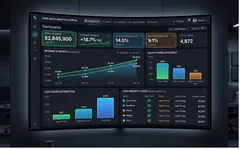
Negli ultimi anni, l'intelligenza artificiale ha determinato una trasformazione fondamentale e significativa nel settore finanziario. I sistemi di intelligenza artificiale impiegati in ambito bancario, assicurativo, nella tecnologia finanziaria e negli investimenti consentono di accelerare i processi decisionali, analizzare i rischi con maggiore precisione e personalizzare l'esperienza del cliente.
Questo concetto si riferisce all'utilizzo dell'intelligenza artificiale in un ampio spettro di ambiti, che vanno dai processi tecnici di back-end degli istituti finanziari alle aree che prevedono l'interazione diretta con i clienti.
Questo articolo si propone di spiegare come l'intelligenza artificiale si integri nel settore finanziario, con particolare attenzione alla gestione del rischio e alle applicazioni orientate al cliente, esaminate in dettaglio.
COS'È L'INTELLIGENZA ARTIFICIALE NEL SETTORE FINANZIARIO?
L'intelligenza artificiale nel settore finanziario si riferisce all'utilizzo, da parte di banche, istituti di investimento, compagnie assicurative e aziende fintech, di tecnologie di IA per analizzare i dati, effettuare previsioni basate sui dati e automatizzare i processi decisionali.
In sintesi, significa utilizzare sistemi intelligenti per rendere le transazioni finanziarie più veloci, più sicure e più precise.
COSA SIGNIFICA GESTIONE DEL RISCHIO CON L'INTELLIGENZA ARTIFICIALE?
La gestione del rischio con l'IA (Intelligenza Artificiale) si riferisce all'utilizzo di sistemi di IA per prevedere, analizzare e mitigare i potenziali rischi che un'istituzione, in particolare nel settore finanziario, potrebbe dover affrontare.
In sintesi, significa individuare i problemi prima che si verifichino e adottare misure preventive.
COSA SIGNIFICA TRASFORMAZIONE DIGITALE NEL SETTORE BANCARIO?
La trasformazione digitale nel settore bancario implica la riprogettazione di tutti i servizi, processi e modelli di business bancari utilizzando le tecnologie digitali.
In sintesi, si riferisce al settore bancario che si sta evolvendo oltre le filiali fisiche, diventando mobile, veloce e personalizzato.
COSA SI INTENDE PER MODELLI LINGUISTICI PERSONALIZZATI NELL'INTELLIGENZA ARTIFICIALE?
Nell'ambito dell'intelligenza artificiale, i modelli linguistici personalizzati si riferiscono a modelli di IA che non sono generici e adatti a qualsiasi argomento, ma vengono addestrati e personalizzati per un dominio, un'istituzione o un compito specifici.
In breve, anziché "un unico modello per tutto", rappresentano modelli di intelligenza artificiale che "sanno cosa è meglio per un compito specifico".
PERCHÉ SI UTILIZZANO MODELLI LINGUISTICI PERSONALIZZATI NELL'INTELLIGENZA ARTIFICIALE?
Forniscono risposte più accurate e coerenti, garantendo al contempo il corretto utilizzo della terminologia specifica del settore.
Offrono inoltre livelli più elevati di sicurezza e privacy dei dati.
Il rischio di risposte errate o irrilevanti è ridotto.
I modelli linguistici personalizzati sono modelli di intelligenza artificiale progettati per generare risposte più accurate, sicure e di livello esperto, adattate a uno specifico settore, istituzione o compito.
COSA SIGNIFICA INTEGRAZIONE DELL'INTELLIGENZA ARTIFICIALE?
L'integrazione si riferisce all'incorporazione di una tecnologia nei sistemi esistenti in modo compatibile. L'integrazione dell'intelligenza artificiale significa:
Combinazione di sistemi di apprendimento basati sui dati
Con software finanziari e processi aziendali
Per consentire un processo decisionale automatizzato, predittivo e intelligente
Grazie a questa integrazione, si riducono gli errori umani, si aumenta la velocità e si ottengono risultati più coerenti.
COS'È LA GESTIONE DEL RISCHIO?
La gestione del rischio è il processo di identificazione, misurazione e controllo delle incertezze che possono comportare perdite finanziarie. Le principali tipologie di rischio in ambito finanziario includono:
Rischio di mercato
Rischi operativi
rischi di credito
Rischi di frode
COS'È L'INTELLIGENZA ARTIFICIALE NEI PROCESSI OPERATIVI?
Molti processi negli istituti finanziari sono ripetitivi. Con l'intelligenza artificiale:
L'automazione è prevista in aree quali la creazione di report, i controlli di conformità e la revisione dei documenti.
Ciò comporta:
Risparmio di tempo
Riduzione dei costi
Meno errori umani
SCOPO DELL'UTILIZZO DELL'INTELLIGENZA ARTIFICIALE NELL'ESPERIENZA DEL CLIENTE
Che cos'è la Customer Experience?
L'esperienza del cliente si riferisce alla somma di tutte le interazioni che una persona ha con una banca o un istituto finanziario. Ciò include:
Servizi di consulenza sugli investimenti
Richieste di prestito
Assistenza clienti
Utilizzo delle applicazioni mobili
Che cosa sono i servizi personalizzati con l'intelligenza artificiale?
L'intelligenza artificiale organizza ogni cliente individualmente offrendo:
Offerte di prestito personalizzate
Analisi della spesa
Raccomandazioni per il risparmio
Questo fa sentire i clienti compresi.
INTELLIGENZA ARTIFICIALE NELLA CONSULENZA SUGLI INVESTIMENTI
L'intelligenza artificiale analizza il profilo di rischio dell'utente, crea portafogli basati sugli obiettivi di investimento e fornisce raccomandazioni in base alle condizioni di mercato. Di conseguenza, i servizi di investimento diventano più accessibili.
ETICA, SICUREZZA E LIMITAZIONI
L'utilizzo dell'intelligenza artificiale nel settore finanziario comporta anche alcuni rischi legati all'etica, alla sicurezza e ai limiti del sistema.
COSA SIGNIFICA INTEGRAZIONE DELL'INTELLIGENZA ARTIFICIALE NEL SETTORE FINANZIARIO?
L'integrazione dell'intelligenza artificiale nei processi, nei prodotti e nei meccanismi decisionali finanziari viene generalmente definita integrazione dell'intelligenza artificiale o, più tecnicamente, applicazioni di IA nei sistemi finanziari. Tuttavia, questo concetto non si limita a un singolo termine e può presentarsi sotto diverse denominazioni a seconda del campo di applicazione.
Una definizione più completa sarebbe:
L'integrazione dell'intelligenza artificiale nel settore finanziario si riferisce al processo di incorporazione di sistemi intelligenti nelle infrastrutture finanziarie, come i sistemi di investimento, assicurativi, di pagamento e di gestione del rischio, utilizzando tecnologie di IA tra cui l'apprendimento automatico, l'elaborazione del linguaggio naturale e l'analisi dei big data, con l'obiettivo di ridurre l'intervento umano, aumentare la velocità e la precisione del processo decisionale, abbassare i costi e migliorare l'esperienza del cliente.
L'integrazione dell'intelligenza artificiale nel settore finanziario significa automatizzare, rendere predittivi e scalabili i processi decisionali, di analisi, di sicurezza e di interazione con i clienti attraverso sistemi basati sull'IA.