
L'intelligenza artificiale sta rapidamente cambiando il modo in cui le aziende operano.
Ciò che un tempo richiedeva grandi team e processi manuali, ora può essere automatizzato grazie a sistemi intelligenti.
Molti leader aziendali ora si chiedono:
Quali sono le ultime tendenze nelle soluzioni di intelligenza artificiale per l'automazione aziendale?
La risposta va ben oltre la semplice automazione. I moderni sistemi di intelligenza artificiale sono in grado di comprendere le richieste, prendere decisioni, coordinare gli strumenti ed eseguire attività all'interno di interi flussi di lavoro.
In questa guida, esploreremo le tendenze più importanti dell'automazione basata sull'intelligenza artificiale che plasmeranno le aziende nel 2026 e oltre.
Perché l'automazione basata sull'intelligenza artificiale sta crescendo così rapidamente
Oggi le imprese si trovano ad affrontare tre sfide principali:
- Complessità operativa crescente
- Aspettative dei clienti in crescita
- Carenza di manodopera qualificata
L'automazione basata sull'intelligenza artificiale aiuta le aziende a risolvere questi problemi attraverso:
- riduzione del lavoro manuale
- migliorare il processo decisionale
- aumento di velocità ed efficienza
- consentire ai team di concentrarsi su attività di maggior valore
Grazie a questi vantaggi, l'automazione basata sull'intelligenza artificiale sta diventando una componente fondamentale delle moderne infrastrutture aziendali.
1. Agenti di intelligenza artificiale come dipendenti digitali
Una delle tendenze più importanti nell'automazione basata sull'intelligenza artificiale è l'ascesa degli agenti IA.
A differenza dei tradizionali strumenti di automazione che seguono regole rigide, gli agenti di intelligenza artificiale possono:
- comprendere le richieste in linguaggio naturale
- ricerca sistemi interni
- raccogliere informazioni da più strumenti
- eseguire azioni automaticamente
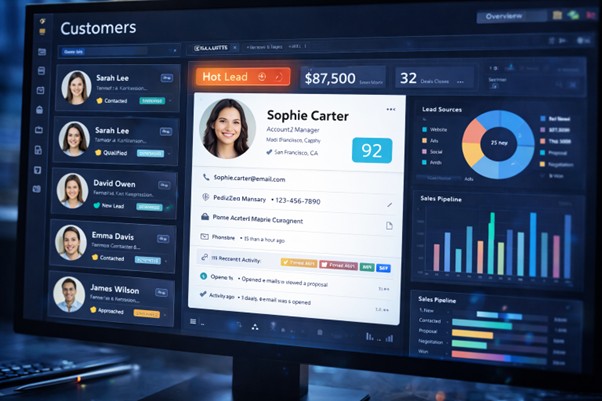
Ad esempio, un agente di vendita basato sull'intelligenza artificiale può ricercare potenziali clienti, redigere email di contatto, aggiornare i record del CRM e programmare riunioni. Invece di limitarsi ad automatizzare le attività, gli agenti basati sull'IA agiscono come veri e propri collaboratori digitali.
2. Automazione del flusso di lavoro basata sull'intelligenza artificiale
Gli strumenti di automazione tradizionali richiedono configurazioni complesse e competenze tecniche specifiche. Le nuove piattaforme di automazione basate sull'intelligenza artificiale consentono alle aziende di descrivere i flussi di lavoro in un linguaggio semplice, lasciando che l'IA si occupi del resto.
Tra gli esempi si annoverano l'automazione dell'elaborazione delle fatture, delle risposte all'assistenza clienti, della reportistica interna e della sincronizzazione dei dati tra i sistemi. Ciò riduce drasticamente il tempo necessario per automatizzare i processi aziendali.
3. Intelligenza artificiale che connette molteplici strumenti aziendali
Le aziende moderne utilizzano decine di strumenti come sistemi CRM, piattaforme di marketing, database, dashboard di analisi e strumenti di comunicazione. Una delle tendenze più recenti nell'automazione basata sull'intelligenza artificiale prevede che l'IA funga da livello di coordinamento tra questi strumenti.
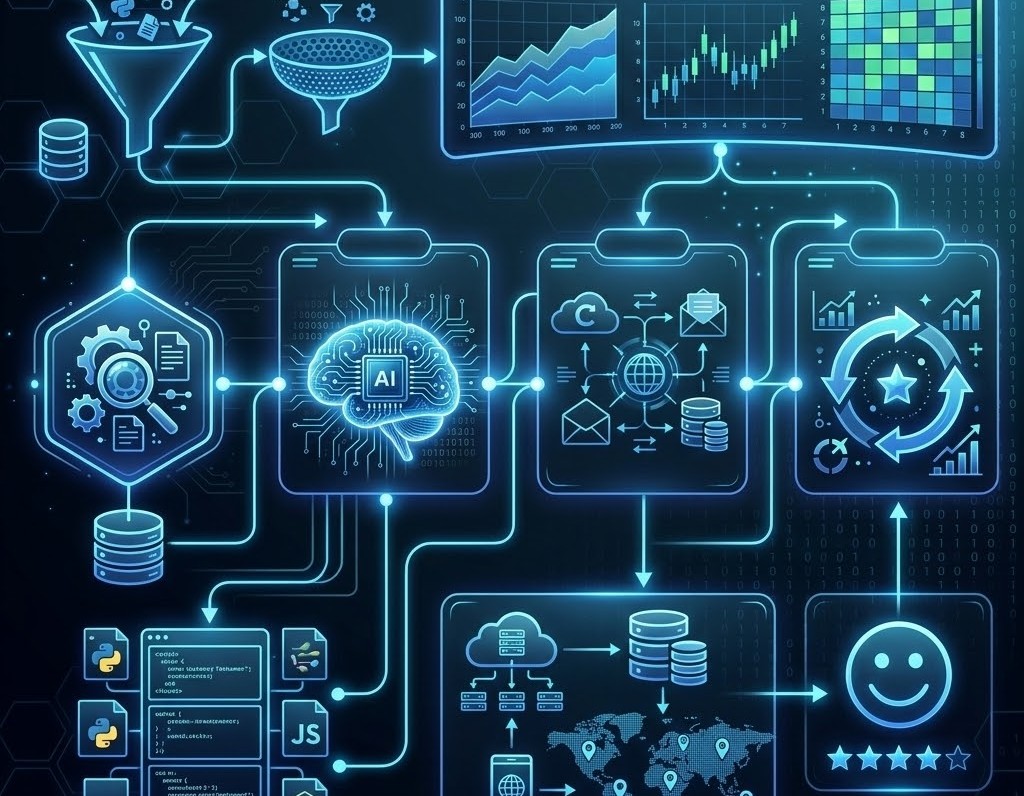
I sistemi di intelligenza artificiale possono trasferire dati tra piattaforme, attivare azioni su diversi sistemi, monitorare i flussi di lavoro e rilevare automaticamente gli errori. In questo modo, le frammentazioni dei software si trasformano in un unico ecosistema intelligente.
4. Elaborazione intelligente dei documenti
Le aziende elaborano migliaia di documenti ogni mese. Tra questi, ad esempio, fatture, contratti, moduli, report e richieste dei clienti.
I moderni sistemi di intelligenza artificiale sono in grado di leggere automaticamente i documenti, estrarre dati importanti, classificarli e attivare flussi di lavoro successivi. Questa tecnologia riduce significativamente il lavoro amministrativo manuale.
5. Assistenti basati sull'intelligenza artificiale per i team interni
Un'altra tendenza in crescita è quella degli assistenti basati sull'intelligenza artificiale per i dipendenti. Questi assistenti aiutano i team ad accedere rapidamente alle informazioni e a svolgere le attività.
Tra gli esempi figurano assistenti interni per la gestione della conoscenza, assistenti di programmazione basati sull'IA, dashboard operative basate sull'IA e assistenti di ricerca basati sull'IA. Invece di cercare manualmente tra documenti o sistemi, i dipendenti possono porre domande all'IA e ricevere risposte istantaneamente.
6. Automazione dell'assistenza clienti basata sull'intelligenza artificiale
L'assistenza clienti è uno dei casi d'uso più comuni per l'automazione tramite intelligenza artificiale. I moderni sistemi di supporto basati sull'IA possono rispondere alle domande dei clienti, analizzare i ticket di assistenza, indirizzare i problemi al team competente e fornire soluzioni suggerite.
I sistemi più recenti sono molto più avanzati dei chatbot tradizionali perché sono in grado di comprendere il contesto e recuperare informazioni dai database aziendali.
7. Business Intelligence predittiva
Un altro importante trend è rappresentato dall'analisi predittiva basata sull'intelligenza artificiale. L'IA può analizzare i dati storici per prevedere le performance di vendita, il comportamento dei clienti, i rischi operativi e la domanda della catena di approvvigionamento. Ciò consente alle aziende di passare da decisioni reattive a strategie proattive.
L'ascesa dell'automazione IA personalizzata
Molte aziende inizialmente provano strumenti di intelligenza artificiale generici. Tuttavia, si rendono presto conto che ogni azienda ha flussi di lavoro, sistemi, strutture dati e sfide operative unici.
Per questo motivo, il futuro dell'automazione basata sull'IA è sempre più orientato verso sistemi di IA personalizzati e adattati a specifici processi aziendali.
Come Buinsoft aiuta le aziende a implementare l'automazione basata sull'intelligenza artificiale
In Buinsoft, aiutiamo le organizzazioni a implementare sistemi di automazione basati sull'intelligenza artificiale che si integrano direttamente nelle loro operazioni. Il nostro obiettivo non è solo l'automazione, ma la creazione di sistemi intelligenti che supportino attivamente la crescita aziendale.
La nostra competenza comprende:
Agenti di intelligenza artificiale per le operazioni aziendali
Sviluppiamo agenti di intelligenza artificiale in grado di gestire conversazioni, raccogliere dati da sistemi interni, eseguire attività automaticamente e coordinare azioni tra diversi strumenti. Questi agenti funzionano come membri di un team digitale, operativi 24 ore su 24, 7 giorni su 7.
Automazione intelligente dei flussi di lavoro
Progettiamo flussi di lavoro basati sull'intelligenza artificiale che automatizzano processi come l'elaborazione dei dati, la reportistica interna, l'integrazione dei sistemi e la comunicazione con i clienti. Questo aiuta le aziende a ridurre significativamente il carico di lavoro operativo manuale.
IA + Infrastruttura dati
I sistemi di intelligenza artificiale più performanti richiedono solide basi di dati. Aiutiamo le aziende a costruire database scalabili, pipeline di dati pronte per l'IA, sistemi di ricerca vettoriale e piattaforme di analisi. Questo garantisce che le soluzioni di IA rimangano veloci, affidabili e scalabili.